From One UI to iOS, or the other way around, Samsung and Apple are getting closer than ever. And while Apple is making some moves that are more friendly towards Android users, Samsung appears to be taking much bigger steps to make its devices feel familiar to people coming from an iPhone.
You can't really blame Samsung for it. People generally don't like change, especially when it comes to devices and software they use every single day. The more familiar something feels, the easier it is to switch to it.
So does Samsung copy Apple? To a certain extent, yes. Apple does the exact same thing in some areas, but we can't deny that Samsung is taking bigger and faster steps to close the gap between the Galaxy and iPhone experience.
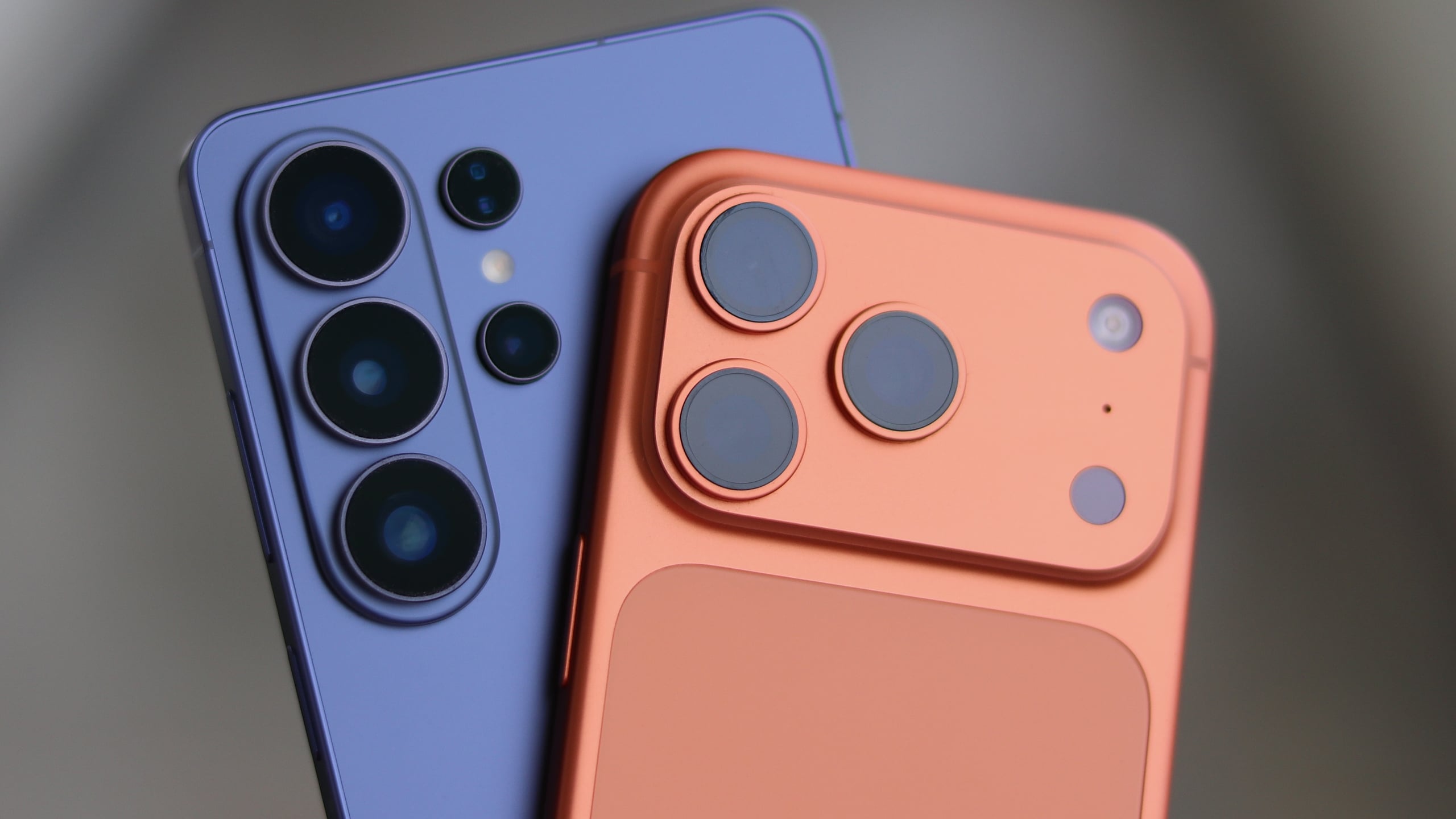
According to leaked sketches of the camera island on Samsung's upcoming Galaxy S27 series, for example, the design has similarities to Apple's recent iPhones. This isn't necessarily a bad thing, but it does raise an interesting question: Is Samsung running out of ideas, or is it deliberately making Galaxy phones look and feel more familiar to iPhone users?
Samsung is making Galaxy feel more familiar to iPhone users
Apple's iOS still looks different from One UI. But Apple continues to add software features that Samsung and Android have offered for years. Samsung, on the other hand, has increasingly adopted design elements and interface choices that make One UI feel more familiar to someone coming from an iPhone.
That could make switching from an iPhone to a Galaxy considerably less intimidating. Most people already use many of the same apps regardless of which platform they are on. Instagram, WhatsApp, YouTube, Spotify, Netflix and countless other apps work largely the same way on both.
If the apps are familiar and the hardware and software are increasingly familiar as well, there is simply less for an iPhone user to relearn when moving to a Galaxy device.
Switching from iPhone to Galaxy is getting easier
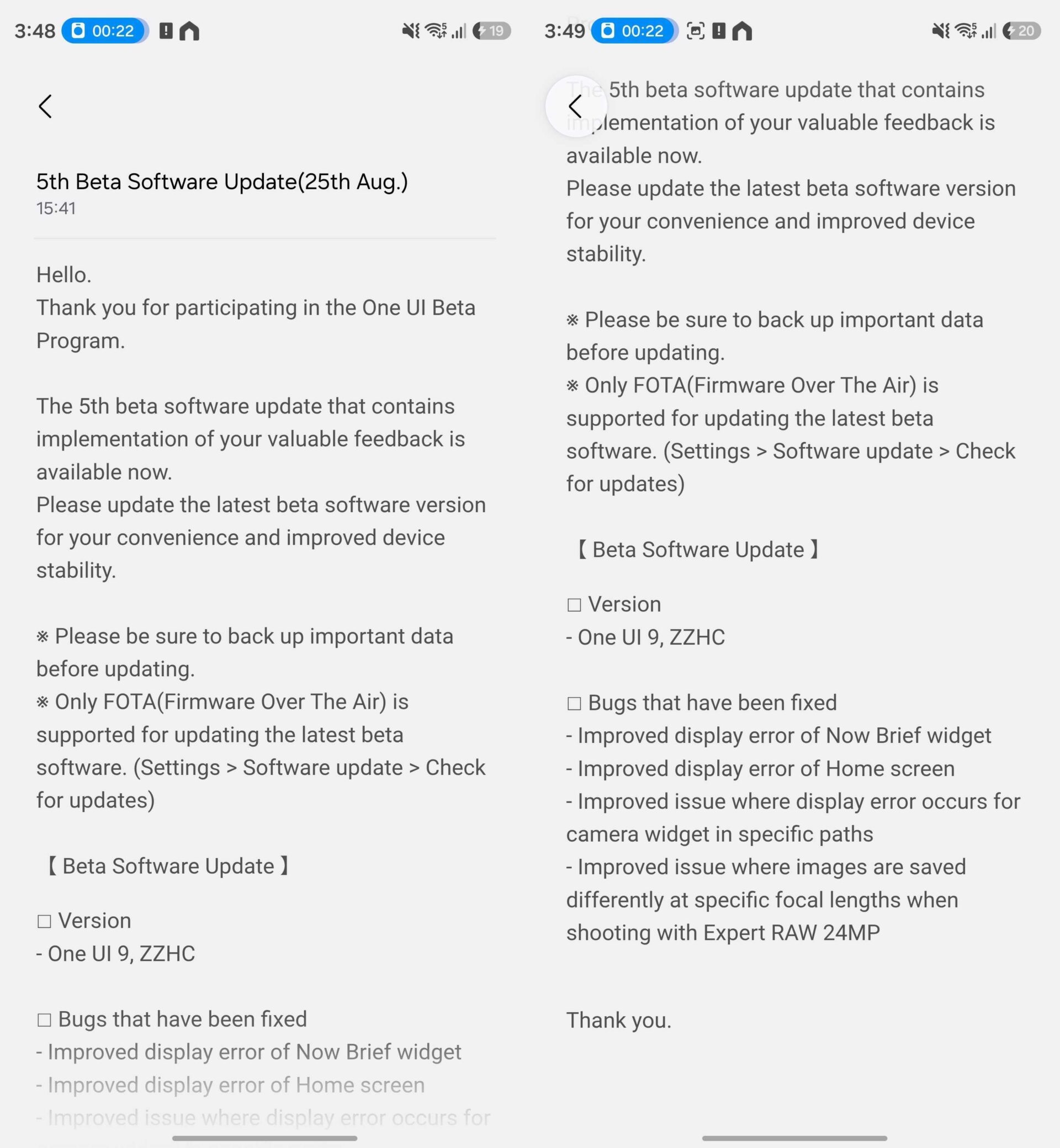
Samsung is also making the actual process of moving from an iPhone easier. Starting with One UI 9, the upgraded Smart Switch can transfer data from an iPhone wirelessly without requiring the Smart Switch app to be installed on the iPhone.
It can also bring over more of the things that make a phone feel like your own, including passwords and passkeys, call history, Wi-Fi networks, accessibility settings and eSIM information.
Some of these improvements were made possible by a new iPhone-to-Android migration system Google developed with Apple and introduced with Android 17.
But Samsung is one of the first companies taking advantage of it, and the result fits perfectly with its apparent strategy: the less an iPhone user has to leave behind or set up again, the smaller the barrier to moving to Galaxy.
The walls between the two platforms are coming down in other ways as well. Google made Quick Share compatible with Apple's AirDrop, and that functionality has since expanded to Galaxy devices.
Apple, for its part, is allowing that interoperability with AirDrop, something that would have been difficult to imagine a few years ago considering how fiercely the two ecosystems compete.
This isn't something Samsung itself introduced, but it still works in Samsung's favour. The fewer barriers there are between Galaxy phones and iPhones, the easier it becomes for an iPhone user to consider switching without worrying about losing basic conveniences they have grown used to.
At the same time, Samsung is embracing magnetic accessories with official cases for its flagship phones, bringing the experience closer to what iPhone users already know from MagSafe. Apple, meanwhile, is expected to launch its first foldable phone this year and enter a category Samsung has dominated for years.
The similarities may be part of a bigger strategy
The more time passes, the clearer Samsung's direction seems to become. People don't want to relearn everything when they switch phones, and Samsung appears to understand that very well.
That may explain why Galaxy phones are increasingly borrowing ideas from Apple in both hardware and software. The goal may not simply be to copy Apple for the sake of copying it. Samsung may be trying to make an iPhone user pick up a Galaxy phone and immediately feel that the experience isn't as different as they expected.
Apple is making some moves in the opposite direction as well, particularly by allowing its ecosystem to become slightly friendlier towards Android. But Samsung clearly has more reason to reduce the differences. Every familiar design choice, software element, accessory and cross-platform feature removes another reason for an iPhone user to be afraid of switching.
And once the phone itself feels familiar, the biggest difference becomes the wider ecosystem around it: watches, earbuds, tablets, laptops and other devices.
It may not matter as much as it once did whether someone prefers iOS or One UI. What matters to Samsung is making sure an iPhone user can move to Galaxy without feeling like they have to start from scratch.
If that is indeed the strategy, Samsung's direction is becoming increasingly clear. And whether we like all of the similarities with Apple or not, it makes a lot of sense.






 Loading ...


