Posted by - senbookpro -
on - 1 hour ago -
Filed in - Arts & Culture -
-
5 Views -
0 Comments -
0 Likes -
0 Reviews
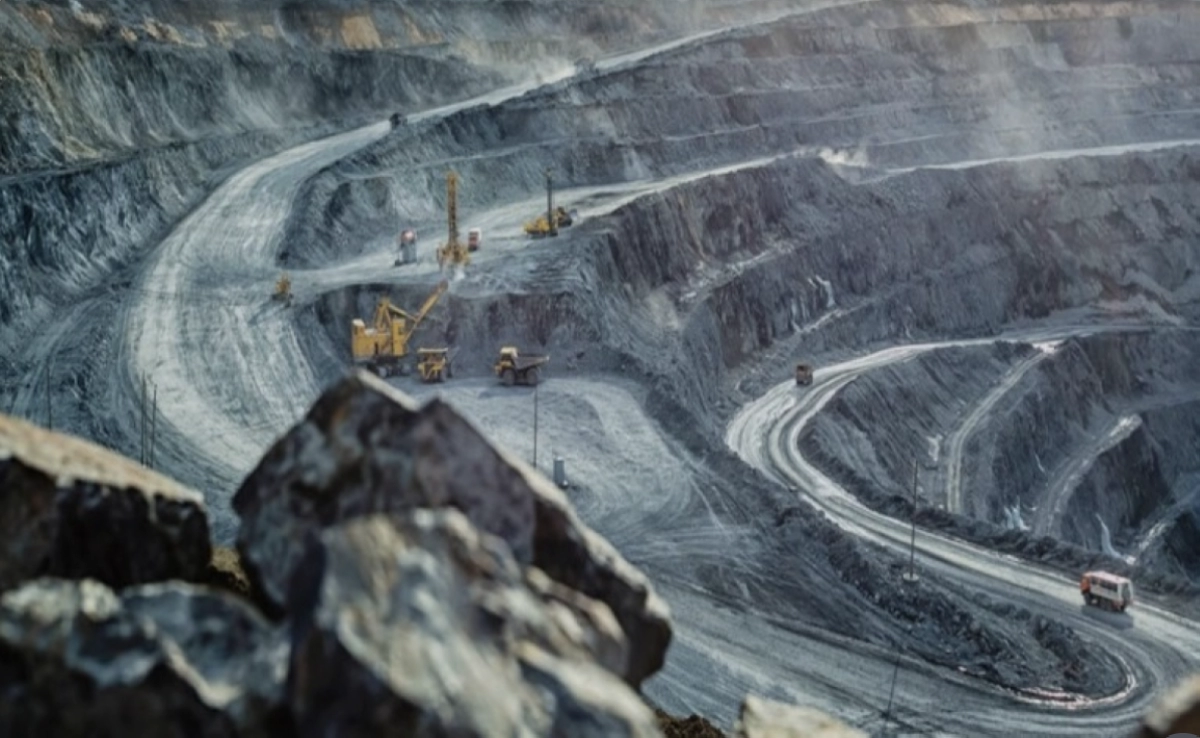
RIYADH — Saudi Arabia’s valid mining licenses increased by 524 to reach 2,925 in 2025, while the cumulative number of discovered mineralization sites rose to 5,680, according to the General Authority for Statistics (GASTAT). The authority’s Mineral Resources Statistics 2025 report showed that valid mining licenses increased from 2,401 in 2024, recording cumulative growth of 48.70 percent compared with 2021. Riyadh accounted for the largest share of valid mining licenses at 31.56 percent, followed by the Eastern Province at 15.62 percent and Makkah at 11.73 percent. Together, the three regions accounted for 58.91 percent of all valid mining licenses. Meanwhile, the cumulative number of discovered mineralization sites increased by 29 from 5,651 in 2024 to 5,680 in 2025. Non-metallic mineral sites accounted for 53.98 percent of the total, followed by metallic mineral sites at 43.03 percent, while sites containing both metallic and non-metallic minerals represented 2.99 percent. **media[2786244]** In terms of mineral reserves, Saudi Arabia recorded approximately 16.68 million ounces of gold, 1.85 million tons of zinc and 0.72 million tons of copper in 2025. The report also showed that fertilizer exports reached 6.449 million tons, compared with 158,000 tons of imports.Diammonium phosphate (DAP) accounted for the largest volume of fertilizer exports at 4.663 million tons, while potassium fertilizers led imports at 105,000 tons. In precious metals, Saudi Arabia imported 348 tons in 2025, compared with 23 tons of exports. Platinum accounted for the largest import volume at 131 tons, followed by silver at 123 tons and gold at 94 tons. Meanwhile, gold exports totaled 20 tons, while silver exports reached 3 tons. Overall, Saudi Arabia’s exports and imports of minerals and their products totaled approximately 52 million tons in 2025, with imports accounting for 30 million tons, or 57.62 percent, and exports reaching 22 million tons, or 42.38 percent. According to GASTAT, the annual publication draws on data from the authority and administrative records from the Ministry of Industry and Mineral Resources and the Saudi Geological Survey, providing a statistical time series covering 2021 to 2025.