
Related News
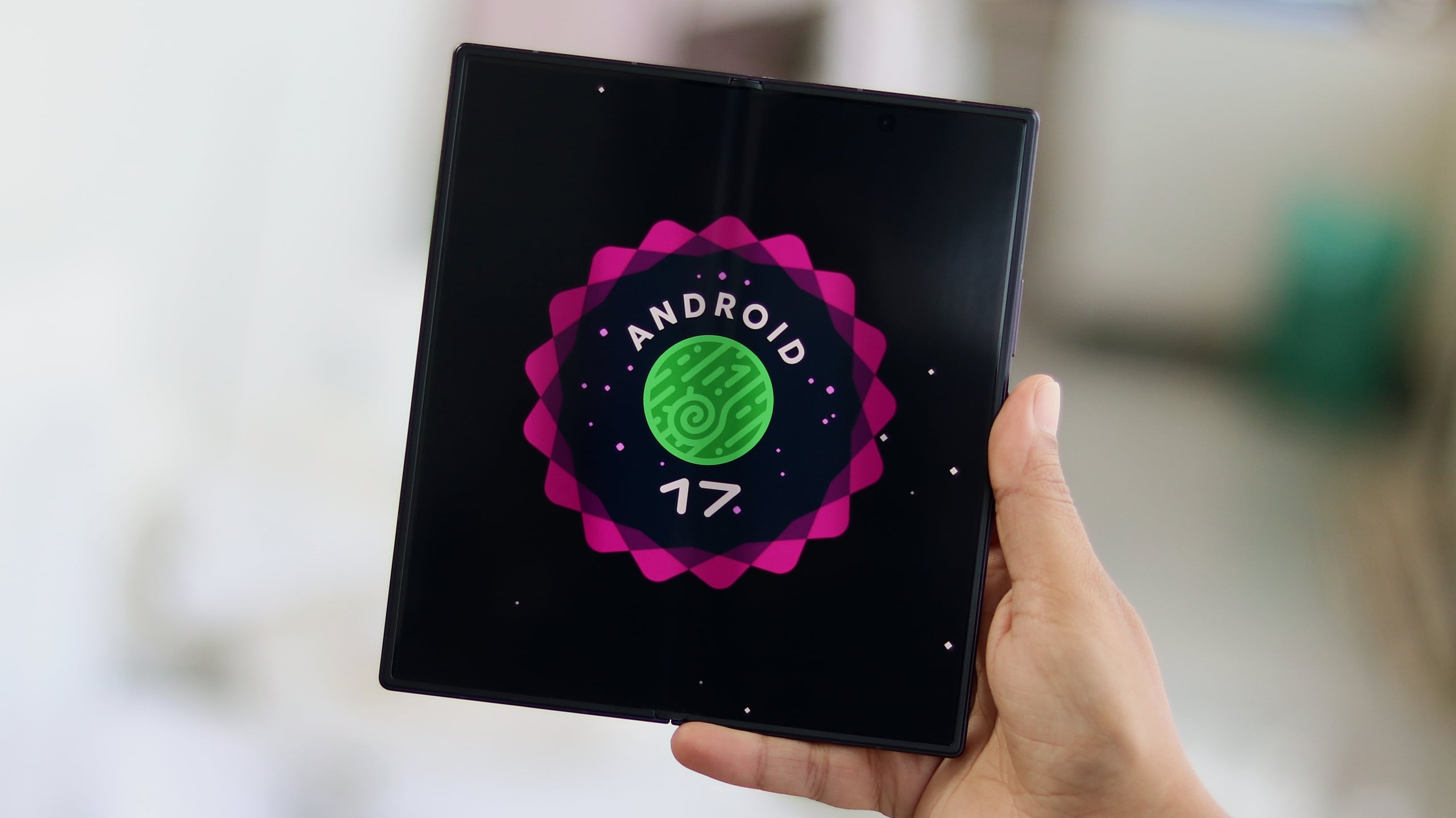
Inside the Galaxy Z Fold8 and Fold8 Ultra: How Samsung engineered the hinge and display for durability




Posted by - support -
on - 1 hour ago -
Filed in - Technology -
-
4 Views - 0 Comments - 0 Likes - 0 Reviews
The Galaxy Z Fold8 and Galaxy Z Fold8 Ultra are book-style foldables built around a new internal display structure called Flex Titanium.
This setup allows the new phones to be impressively thin while keeping the screen protected, and it noticeably changes how the device opens and how flat it sits once unfolded.
Both models share the same underlying approach. You're getting the same Flex Titanium display structure, the same IP rating, and the same method for protecting the screen where it bends.
The key features at a glance:
It largely comes down to the display structure. The main screen of a foldable can't use standard cover glass because it has to bend. Instead, it relies on ultra-thin glass, meaning everything sitting underneath has to do the heavy lifting to support and protect it.
Flex Titanium is the major shift for this generation. It pairs a titanium-alloy film with an enhanced titanium plate, built directly into the display structure rather than just added as an extra layer. Its main job is to help the phone slim down without giving up durability.
The numbers reflect this shift. The Galaxy Z Fold8 Ultra is just 4.1 mm thick when unfolded. The Galaxy Z Fold8 sits at 4.5 mm while weighing 201 g. Achieving a folding display this thin means the internal support system has to do more work in less space, which is exactly why the titanium structure is there.
The outer materials play a role, too. An Armor Aluminum frame protects the phone’s edges and internal components. Gorilla Glass Victus 2 covers the back and Gorilla Glass Ceramic 3 protects the cover screen.
These materials help protect against everyday accidents, such as when your phone knocks against a desk or slips out of your hand.
It's the titanium-based display structure found on both 2026 Folds, combining a titanium-alloy film with an enhanced titanium plate. In practice, it handles three things.
First, it reinforces the display to absorb pressure and routine impacts, such as taps, firm presses and the occasional knock during everyday use. Second, it is designed to reduce crease visibility over time, rather than only when the phone is new.
Third, it changes the opening action by balancing hinge mechanics, display tension and magnetic force. In our experience, that makes unfolding feel smoother and easier.
How durable is the hinge on the Galaxy Z Fold8 and Z Fold8 Ultra?
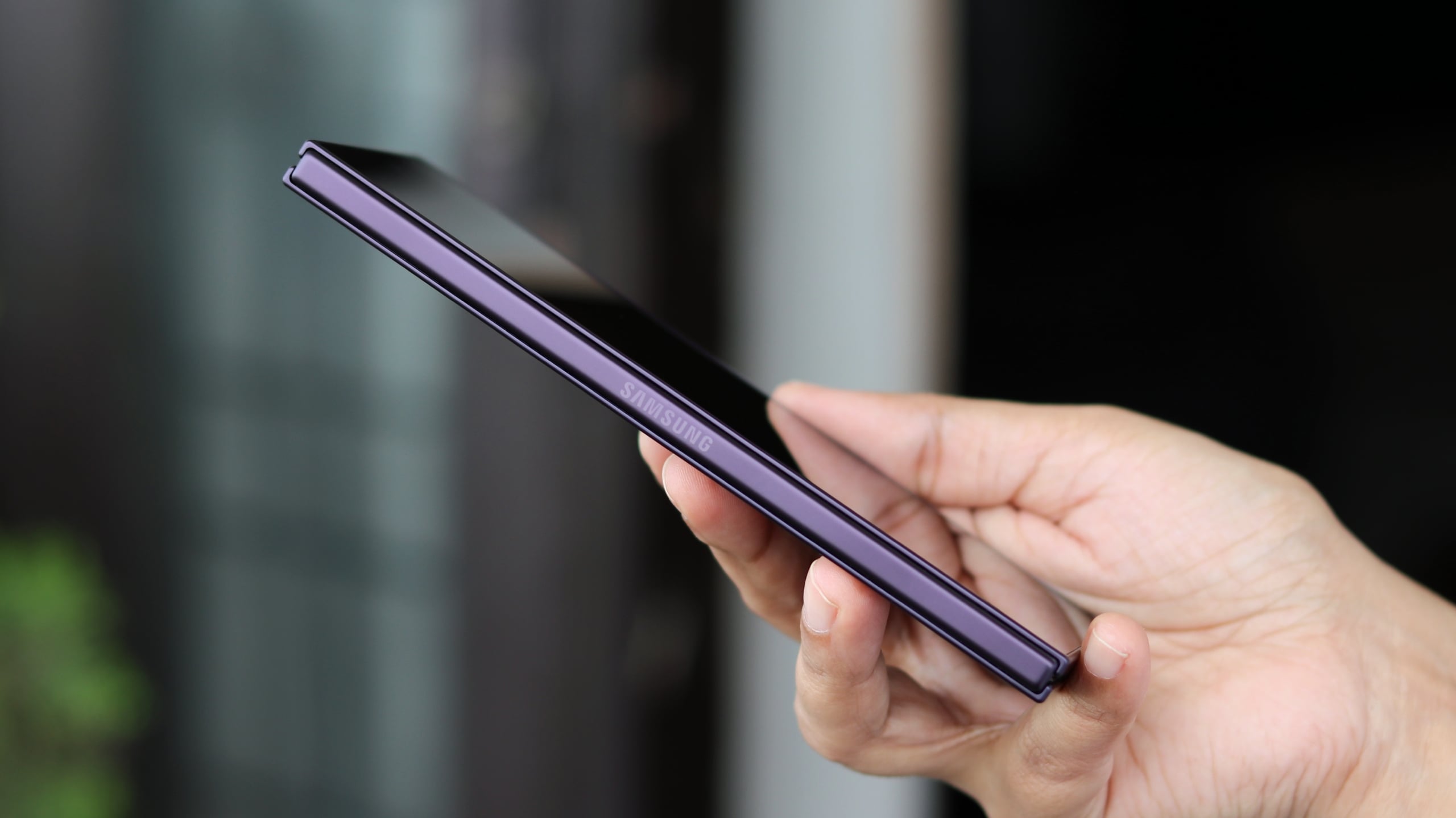
Both phones use Armor FlexHinge. It is designed to stay thin while remaining rigid. The hinge has to hold the two halves securely while fitting into an extremely slim body.
On the Galaxy Z Fold8 Ultra, the hinge is slimmer in both thickness and width and uses a reduced-friction mechanism. This contributes to the phone's 4.1 mm unfolded profile.
The inner bezel also has a slightly bevelled slope instead of completely flat edges. That leaves more room to get a fingertip between the two halves. In our experience, the change is noticeable: the phone is easier to open and the opening action is smooth from start to finish.
In our everyday use, the crease is nearly invisible on both phones. These are the flattest Galaxy Z Fold displays we’ve used, and running a finger across the centre feels close to using a conventional, non-folding screen.
This improvement comes from the internal build rather than a surface coating. The Flex Titanium structure works in tandem with the hinge mechanics and display tension, so the physical fold is managed much more evenly. The display sits flatter, and that flatness is engineered to last over time.
Corning rates its Gorilla Glass Ceramic 3 for drops from over two metres onto concrete-like surfaces, and twenty repeated drops onto asphalt-like surfaces, improving on the published drop-test figures for the Ceramic 2 glass used on the Galaxy Z Fold7.
These are Corning’s lab results, so don’t take them as a reason to start dropping your phone on purpose. An accidental fall can still cause damage.
The main display already comes with a factory-fitted protective layer, so you don’t need to buy and apply another screen protector. Leave that layer in place, as peeling it off can damage the display underneath.
If you normally fit screen protectors when setting up a new phone, you can add one to the cover screen.
This doesn’t just apply to the Galaxy Z Fold8 and Galaxy Z Fold8 Ultra but to all Samsung foldables. If you’re switching from a standard slab phone where adding a protector is second nature, this advice is worth keeping in mind.
Both phones carry an IP48 rating, which grades water resistance and solid-object resistance separately.
The Galaxy Z Fold8 and Fold8 Ultra are rated to withstand submersion in up to 1.5 metres of freshwater for up to 30 minutes under lab conditions. That is the water-resistance part of their IP48 rating.
The ‘4’ refers to protection against solid objects larger than 1 mm, such as loose bits of rock, gravel, and sand. The rating does not cover fine dust.
That being said, don’t go for a swim with the phone in your pocket. Beach and pool use aren’t advised, and water resistance can diminish over time through normal wear.
Flex Titanium is the main headline here. The Galaxy Z Fold7 used a titanium plate layer, while the 2026 models combine a titanium-alloy film with an enhanced titanium plate inside the display structure.
On the outside, the cover screen gets an upgrade from Gorilla Glass Ceramic 2 to Ceramic 3, and the main display picks up a low-reflection finish. For the Ultra model, the Armor FlexHinge has been trimmed down and features less mechanical friction.
The IP48 rating carries over from the Galaxy Z Fold7. The basic approach to the folding display is familiar too: ultra-thin glass for the main screen, with added support and protection around it.
Both phones are built for everyday use, with Gorilla Glass Ceramic 3 protecting the cover screens and an IP48 rating. Their water resistance is tested at up to 1.5 metres of freshwater for up to 30 minutes under lab conditions.
The main thing to remember is to leave the factory-fitted protective layer on the inner display in place.
If you prefer a lighter phone to carry around, the Galaxy Z Fold8 weighs just 201 g. The Galaxy Z Fold8 Ultra gives you a larger, 8-inch main display for reading and working. Both share the main protective features, so you can choose the size and shape that works better for your lifestyle.
In our everyday use, both book-style foldables are easier to open than previous Galaxy Z Fold models. Their main displays feel flatter too, and the crease is nearly invisible during normal viewing.
[1] Armor Aluminum frame does not include volume and side keys, SIM tray or camera lens barrel.
At our community we believe in the power of connections. Our platform is more than just a social networking site; it's a vibrant community where individuals from diverse backgrounds come together to share, connect, and thrive.
We are dedicated to fostering creativity, building strong communities, and raising awareness on a global scale.


 Loading ...

)
