Samsung has long been a pioneer in the smartphone display industry. It launched the first phone with an active-matrix TFT-LCD screen featuring 262,000 colors and popularized large OLED smartphone screens. Earlier this year, it introduced Privacy Display, a feature that offers on-demand privacy by blocking shoulder surfers and prying eyes.
So, is it available on all Samsung phones or limited to a few?
Which phones have the Privacy Display feature?
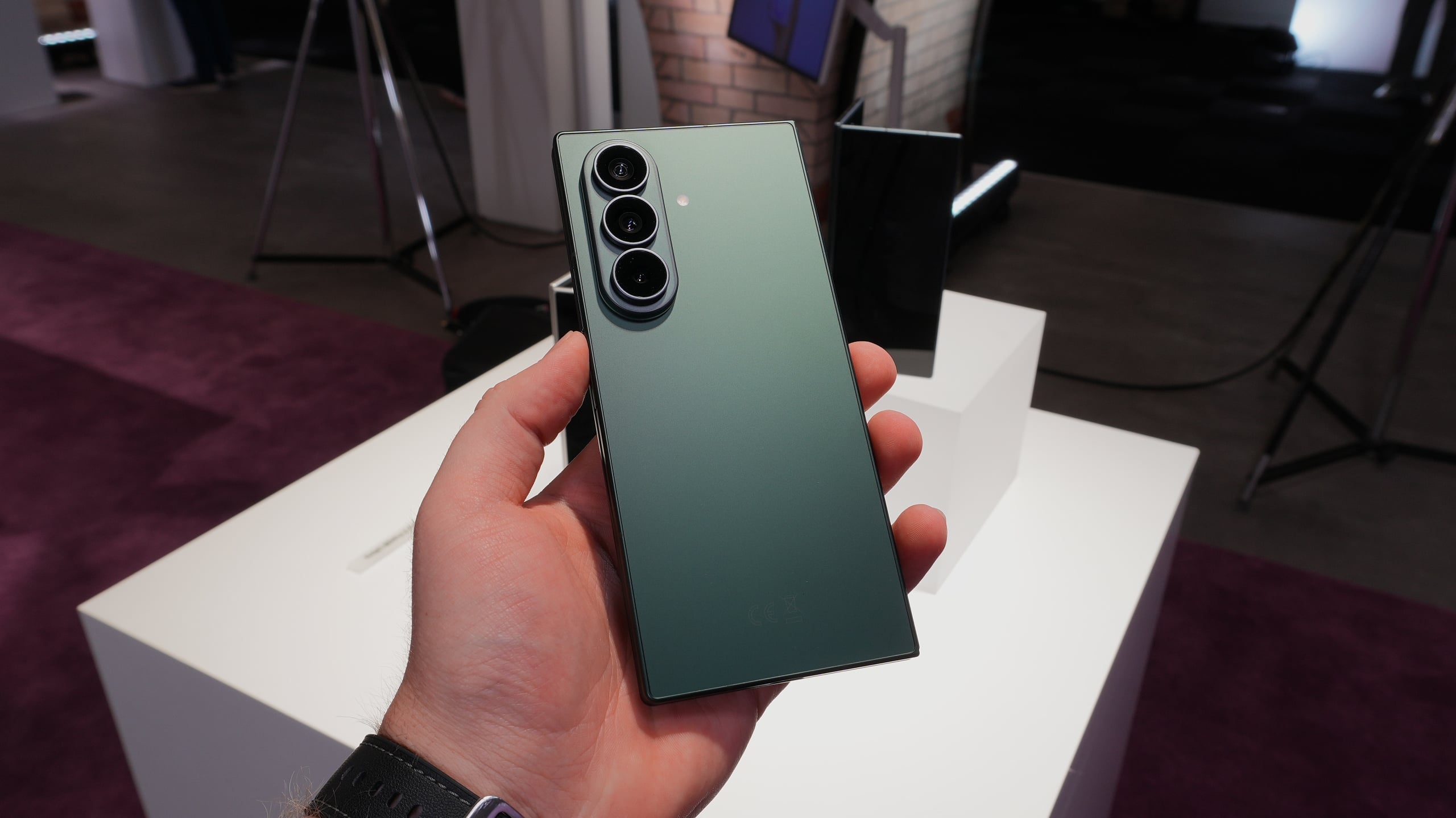
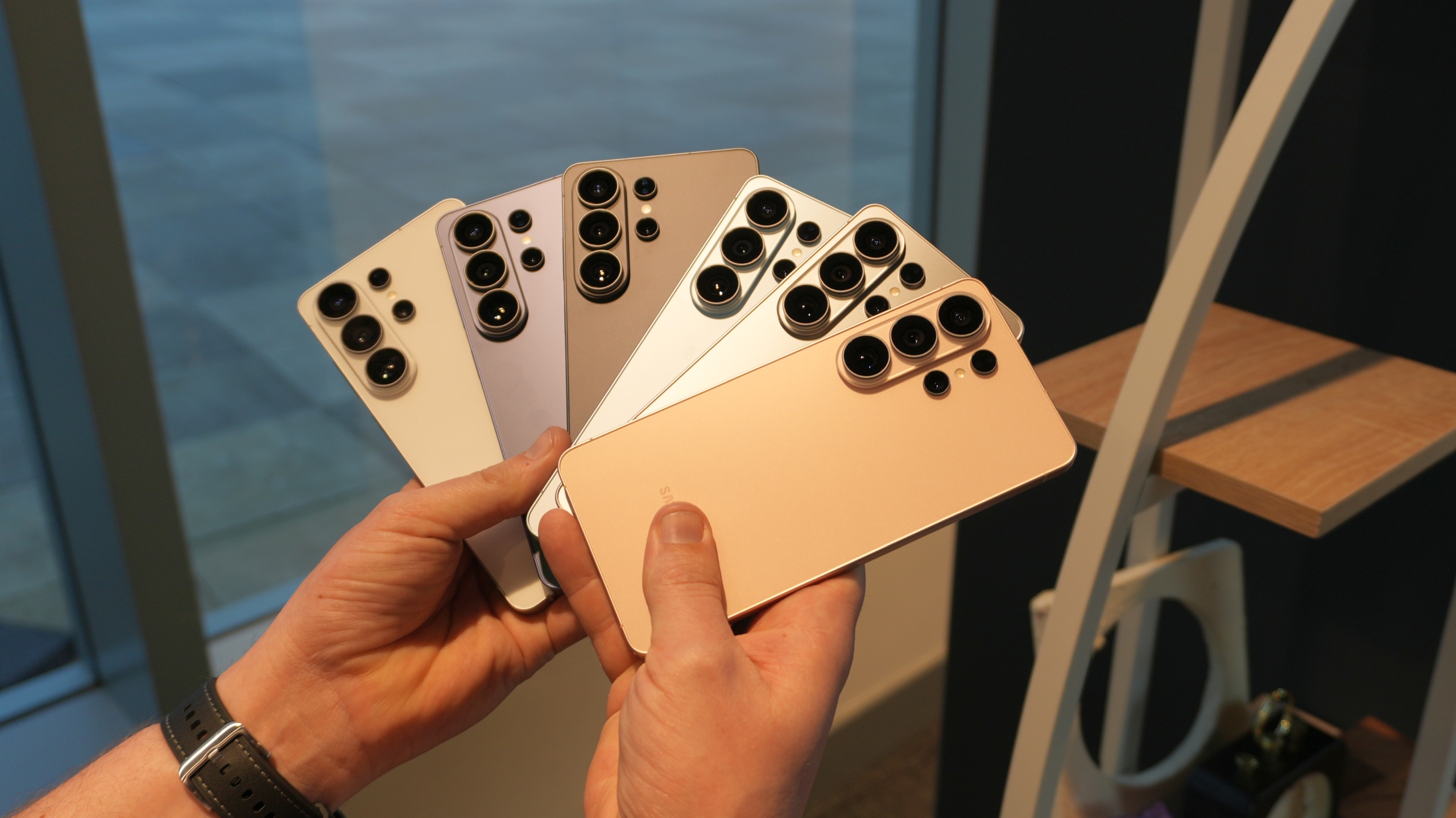
Currently, only the Galaxy S26 Ultra features Privacy Display. Other models in the Galaxy S26 lineup, including the base Galaxy S26, Galaxy S26+, and Galaxy S26 FE, lack the feature. The Galaxy Z Fold 8 and Galaxy Z Fold 8 Ultra, which were launched after the Galaxy S26 Ultra, also lack Privacy Display.
However, reports strongly indicate that Samsung will bring the feature to two upcoming phones: the Galaxy S27 Pro and the Galaxy S27 Ultra. Both devices are expected to launch in early 2027.
Samsung is also reportedly planning to bring the feature to certain laptops in the future.
How does Privacy Display work, and how is it useful?
Galaxy S26 Ultra's Privacy Display in action | Source: SamMobile
Flex Magic Pixel actively prevents the light emitted by pixels from scattering sideways, forcing it to travel straight instead. As a result, only someone looking directly at the screen can see the content, while anyone viewing it from an indirect angle will not be able to read what is displayed.
This feature can be activated or deactivated based on the user's needs. Moreover, it can be applied to the entire screen or restricted to specific areas displaying sensitive information.
Samsung Display's Flex Magic Pixel OLED panel showcased at CES 2024 for the first time | Source: Samsung Display
The system is built on Samsung Display's Flex Magic Pixel technology, which uses a combination of narrow and wide pixels. Narrow pixels emit light strictly in a straight line by using a multi-layer black matrix that acts as a physical wall to stop light from spreading horizontally. Wide pixels allow light to travel sideways, providing traditional broad viewing angles.
When Privacy Display is turned on, the panel disables the wide pixels while keeping the narrow ones illuminated. This directs the light solely toward the user, preventing anyone looking from a side angle from seeing what is on the screen.
Hopefully, Samsung brings it to most its high-end devices, including laptops, phones, and tablets, in the future.





 Loading ...

