AMD and Samsung have signed a memorandum of understanding (MoU) that includes the use of Samsungâs sixth-generation high-bandwidth memory (HBM4) chips in AMDâs next-generation AI GPUs. The agreement was signed during AMD CEO Lisa Suâs visit to Samsung Electronicsâ semiconductor plant in Pyeongtaek, South Korea.
During her first business trip to South Korea since becoming AMDâs CEO, Lisa Su attended the signing ceremony at Samsungâs facility. As part of the agreement, Samsung has been selected as the preferred supplier of HBM4 chips for AMDâs Instinct MI455X GPU, which was announced earlier this year and is expected to begin shipping in the second half of 2026. It rivals Nvidia's latest AI platform, Vera Rubin, which also uses Samsung's HBM4 chips.
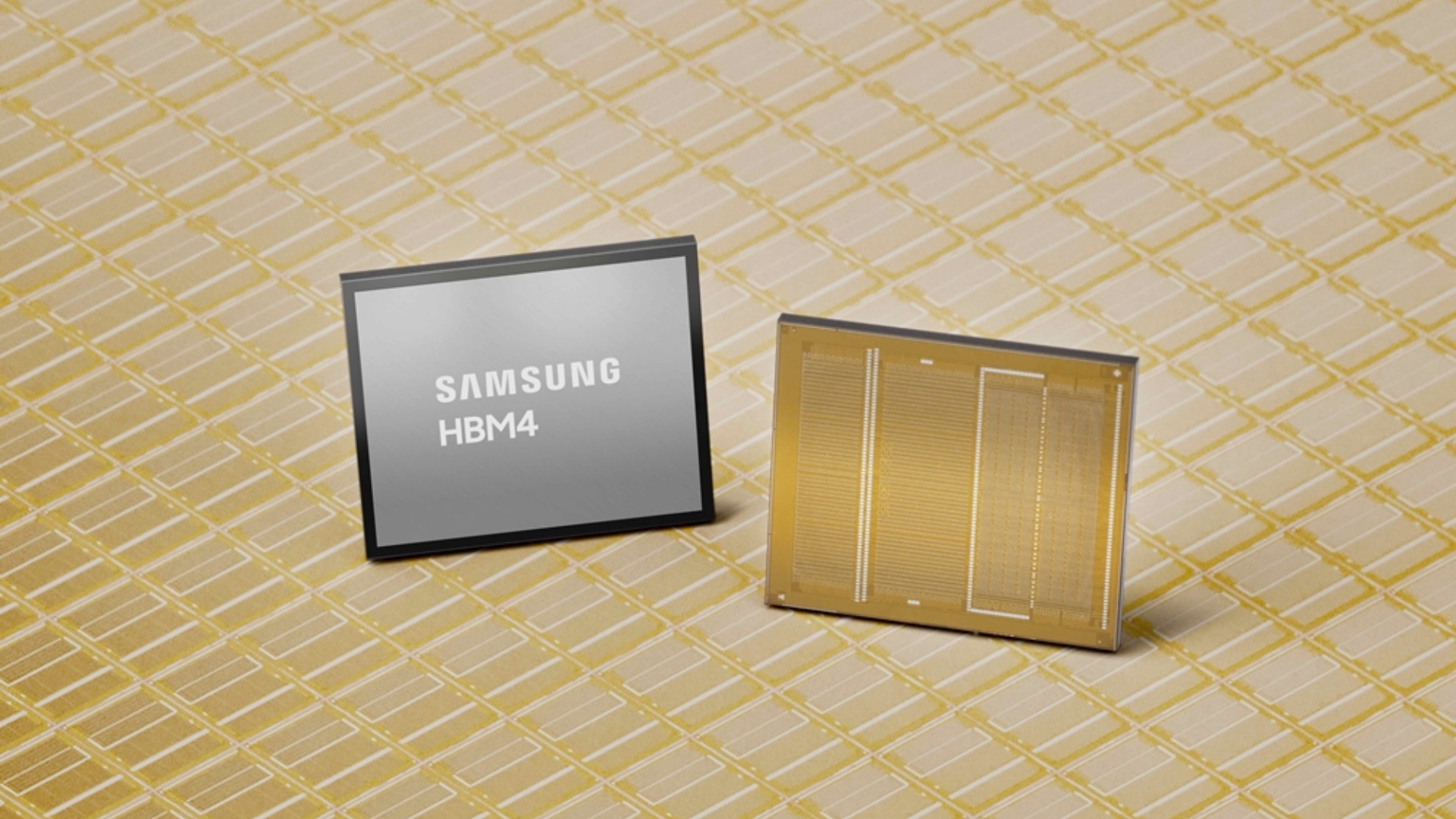
Samsung HBM4 memory chips – Source: Samsung
Samsungâs latest-generation HBM4 memory offers data transfer speeds of up to 13Gbps per pin and bandwidth of up to 3.3TB/s. The chips are built using a 10nm-class 1c DRAM process along with a 4nm base die. Samsung first announced the technology last month and has already started shipments.
Lisa Su said, âClose collaboration across the industry is essential for realizing next-generation AI infrastructure. We are very pleased to combine Samsungâs leadership in advanced memory technology with AMDâs Instinct GPU, EPYC CPU, and rack-scale platform.â
The AMD Instinct MI455X is a general-purpose GPU designed for AI workloads such as training and inference. It delivers up to 40 PFLOPS of FP4 and 20 PFLOPS of FP8 compute performance, making it nearly twice as fast as its predecessor, the MI350.
AMD and Samsung also announced plans to expand their partnership. This includes the use of high-performance DDR5 memory in AMDâs Helios AI data center rack platform and sixth-generation EPYC server CPUs. Samsung Foundry is also in discussions to manufacture AMDâs future products.
Samsung also confirmed that it has been supplying HBM3E chips for AMDâs existing MI350X and MI355 GPUs. The two companies have collaborated for nearly 20 years. Samsung has supplied VRAM for AMD GPUs in the past, while AMD has helped Samsung develop RDNA-based GPUs for Exynos mobile chips.







 Loading ...

