For years, the Plus model has been the middle option in Samsung's Galaxy S lineup. You get a larger screen and battery than the base model, without paying Ultra prices.
It has never offered the Ultra's complete camera setup or S Pen, but some specifications have been quite close. The Galaxy S26+ and S26 Ultra both support 45W charging, for example, and their battery capacities differ by just 100 mAh.
With the Galaxy S27 series, that middle ground is getting more crowded. Samsung is expected to add a Pro model, and it's the Pro that looks set to bring more of the Ultra's hardware to buyers who don't want the Ultra itself.
The S27 Pro will be closer to the Ultra than the S27+
Charging is a good example. Certification listings point to the following wired charging speeds:
Samsung already brought 60W charging to the Galaxy S26 Ultra. Next year, another model will support that speed while the Galaxy S27+ stays at 45W.
That doesn't tell us exactly how much faster either phone will charge, especially now that Samsung is finally adding batteries larger than 5,000 mAh to the Galaxy S line. Peak wattage is only part of the story, and we'll need to test the phones to compare actual charging times.
The same pattern extends to the cameras. Reports point to 200MP main and 50MP ultrawide cameras on both the Galaxy S27 Pro and Galaxy S27 Ultra. The Plus is expected to once again feature 50MP main and 12MP ultrawide cameras.
Matching megapixel counts don't guarantee that the Pro and Ultra will use identical sensors or deliver the same image quality, but they suggest a closer relationship than the Plus has offered.
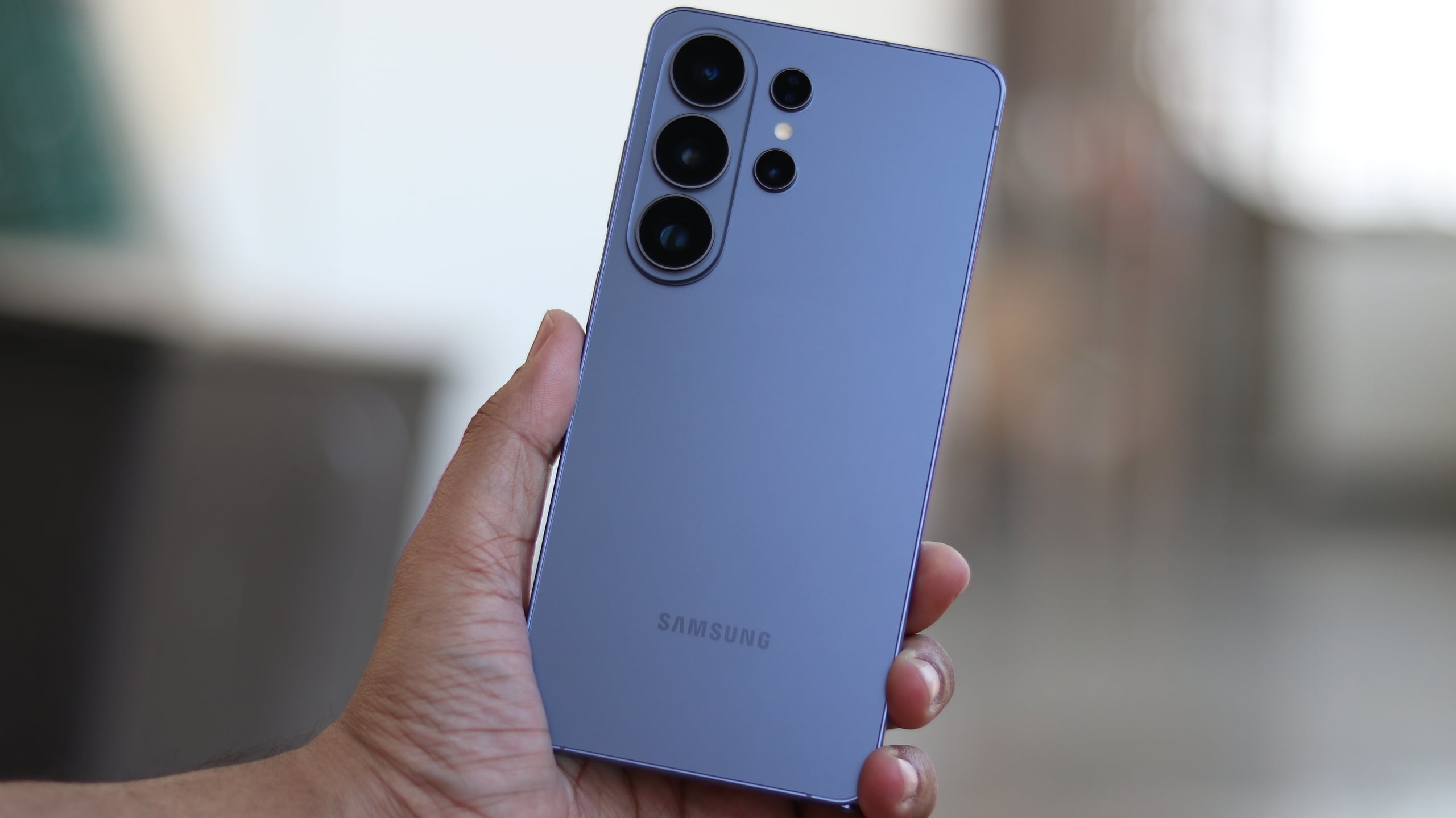
Design leaks also show the Pro adopting the Ultra's new wide rear camera plateau while the Plus will retain Samsung's current vertical camera island. Whether that redesign is an improvement will come down to personal taste (people who hate wobble will probably love it), but it will make the Pro and Ultra look similar.
The Pro will also feature a Privacy Display, as SamMobile exclusively revealed. Finally, there's the battery. The Pro is tipped to get a 5,200 mAh unit, compared to around 5,700 mAh on the Ultra. If the Plus retains a 4,900 mAh battery, the Pro would have a larger battery despite being the smaller phone.
The Plus still has reasons to exist
None of this will automatically make the Plus a bad choice. It's expected to have a larger display than the Pro, and that alone could matter more than camera upgrades to someone who spends a lot of time watching videos or playing games.
The Plus has generally been a bigger version of the base Galaxy S flagship anyway. Samsung wouldn't be changing that basic formula by introducing a Pro. It would simply be giving buyers another option with different priorities.
And limited changes to the Plus's camera, battery, or charging specifications wouldn't mean the phone has no improvements elsewhere. A new processor and other refinements could still make it a worthwhile upgrade from an older device.
Pricing will decide how awkward this gets
The biggest missing piece is the price. If the S27 Pro costs only a little more than the S27+, its additional hardware could make that extra spending easy to justify, provided you don't specifically want the larger display.
If the gap is substantial, the Plus could remain an appealing way to get a large Galaxy flagship, because if the Pro costs almost as much as the Ultra, buyers who don't mind a bigger phone might as well choose the Ultra instead.
Samsung hasn't announced the Galaxy S7 lineup or its specifications, so there could still be differences we don't know about.
But based on what we know so far, the Pro is set to become the closer alternative to the Ultra. Even if the Plus remains a sensible purchase, it's going to have a much harder time standing out.





 Loading ...


